Offshore Blowout Preventer Pressure Test Units
News Details
Buyers of offshore equipment require pressure testing units that combine the proper pressure rating, clear measurement capabilities, compatible connections, and practical installation.
We supply the JMTPU-200 BOP (Blowout Preventer) pressure testing and control unit. Its listed configuration includes two pneumatic pumps, pressure gauges, a pressure regulating assembly, a test hose, and a data acquisition instrument.
Review the specifications of the JMTPU-200, explore the requirements for offshore operations, or prepare a technical inquiry.
Integrated Pressure Testing Unit
The JMTPU-200 integrates pressure generation, regulation, measurement, and data acquisition into one assembled unit.
Its two pneumatic pumps serve as the pressure source. The supplied package also includes high and low pressure gauges, test connections, a hose assembly, and pneumatic air preparation equipment.
This integrated configuration allows procurement teams to review a defined equipment scope. It also helps engineers evaluate the pressure circuit and site connections together.
The function of each pump, available flow rate, and operating configuration should be confirmed in the technical proposal. The number of pumps alone does not establish redundancy, automatic switching, or cycle time.
JMTPU-200 Pressure Testing Unit Specifications
| Item | Listed Configuration |
| Model | JMTPU-200 |
| Package Quantity | One complete set |
| Pressure Source | Two pneumatic pumps |
| Rated Working Pressure | 15,000 psi |
| Pressure Gauges | One high-pressure gauge and one low-pressure gauge |
| Test Hose Rating | 20,000 psi |
| Test Hose Length | 15 m |
| Listed Outlet Thread | 1/2 NPT |
| Pneumatic Preparation Assembly | One set |
| Data Acquisition Instrument | One set |
| Pressure Regulating Assembly | One set |
| Included Accessories | Test fittings and hose connections |
The unit's rated working pressure is 15,000 psi. The higher hose rating does not increase the operational limit of the package.
Additionally, confirm the rating of the complete hose assembly, including its end fittings and mating connections. Thread size alone does not determine pressure capability.
Two Pneumatic Pumps for Specified Duty
Pneumatic pumps use compressed air to generate hydraulic pressure. Selecting a suitable configuration requires both pressure and delivery information.
For a useful equipment comparison, provide the test volume, required fill time, target pressure, and expected workload. These factors help define the pump configuration.
Also, confirm the required drive air pressure and air consumption. The provided materials do not specify these values, so they should be included in the quotation.
Where the installation has limited utilities, review the available air supply before approving the unit. This helps align the equipment with actual site conditions.
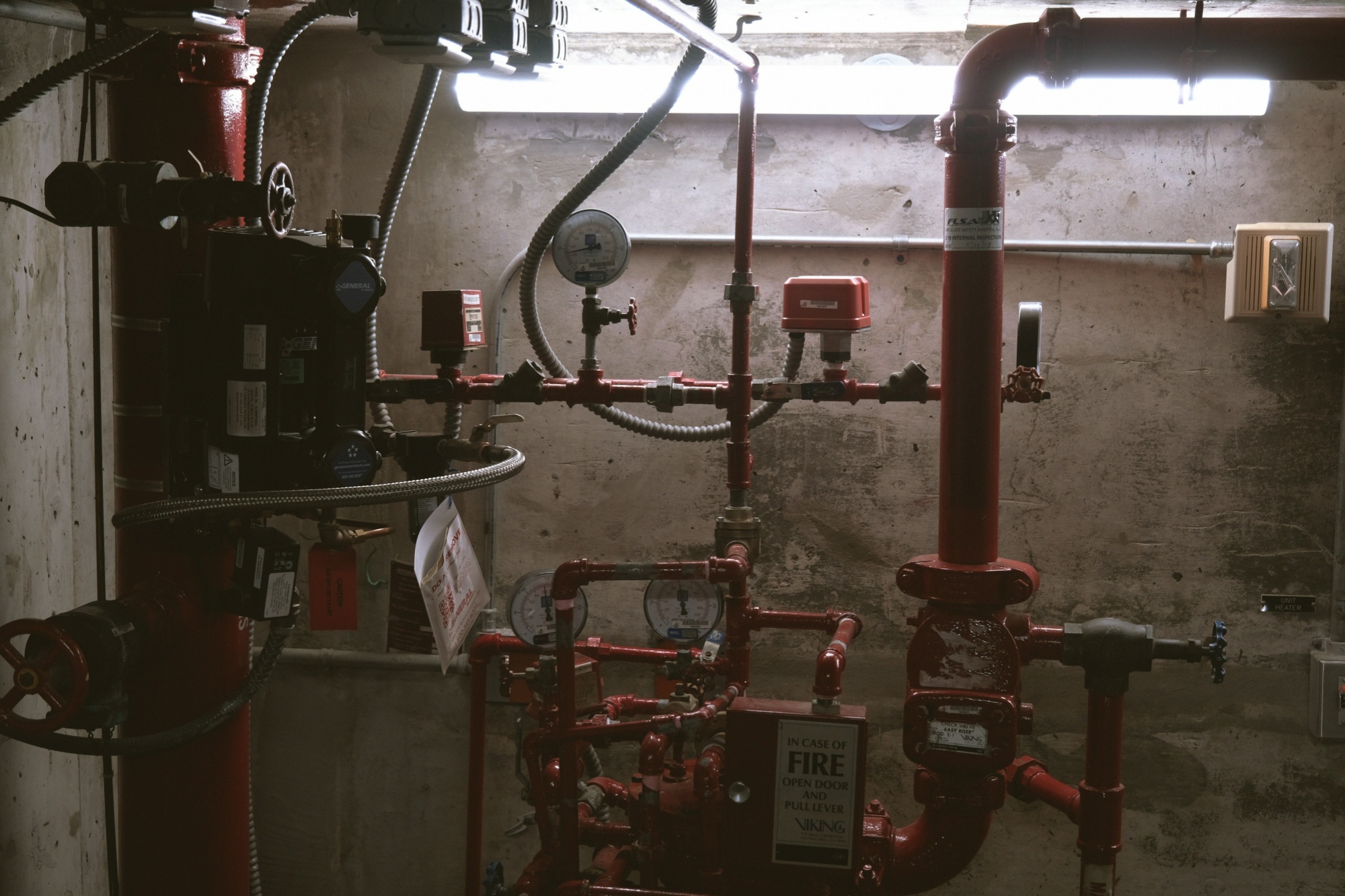
Pressure Measurement and Data Acquisition
The package includes separate high and low pressure gauges and a data acquisition instrument.
For inspection purposes, the measurement ranges must suit the intended test program. A gauge selected only for the highest pressure may not provide the required resolution at lower test points.
Therefore, define gauge accuracy, calibration requirements, acquisition channels, and recording intervals during procurement.
The quotation should also identify the type of acquisition instrument and available outputs. Confirm whether the project requires digital records, charts, printed reports, or a combination.
These requirements help quality teams correlate recorded results with the correct component and approved test procedure.
Offshore Operating Environment
The supplied environmental specifications identify the following conditions.
| Environmental Factor | Listed Condition |
| Ambient Temperature | 0°C to +50°C |
| Atmospheric Pressure Reference | 0.1 MPa absolute |
| Seawater Temperature Reference | 0°C to +32°C |
| Platform Inclination | Up to 15° in any direction |
| Platform Rolling Condition | 15°, subject to the agreed motion specification |
| General Relative Humidity | 60% |
| Listed Maximum Relative Humidity | 90% at +20°C |
The specification also addresses humid air, salt spray, oil mist, mold, vibration, and shock associated with normal platform operations.
These conditions should form part of the equipment acceptance review. Request the applicable verification records and confirm how the unit will be installed and secured.
Separate humidity requirements are listed for control and communication equipment. Agree on their scope and test conditions in the final technical specification.
The seawater temperature reference describes the marine environment. Test-fluid compatibility must be specified separately.
Connections, Installation, and Maintenance Access
A complete pressure testing unit must fit the equipment and work area.
Provide the required connection drawings, available installation space, and hose routing. Also, identify access needs for gauges, regulating devices, pumps, and service points.
The listed 15 m hose provides a defined connection length. Confirm whether this suits the installation layout and whether additional connections are required.
For maintenance planning, request the component list, recommended spare parts, and service documentation. Keep the approved hose and fitting references available for replacement purchasing.
Match the Unit to the Required Scope
BOP-related projects may involve pressure testing, hydraulic actuation, and wider well-control functions. These requirements should be identified separately in the purchase specification.
The documented JMTPU-200 package provides pressure testing equipment, instruments, and pressure regulating components.
If the project also requires actuator operation, stored hydraulic energy, emergency shutdown interfaces, or additional control functions, specify those requirements for separate technical review.
This gives engineers and buyers a clear basis for assessing what the proposed unit includes.
How to Specify a BOP Pressure Testing Unit
Include the following information with your inquiry:
-
Equipment to be tested and the approved test procedure.
-
Required pressure range and test volume.
-
Test liquid and material compatibility requirements.
-
Fill time, holding requirements, and expected workload.
-
Available compressed air and other utilities.
-
Gauge accuracy, calibration, and data acquisition requirements.
-
Hose length, connection types, and mating interfaces.
-
Platform motion, temperature, humidity, and exposure conditions.
-
Installation, securing, handling, and maintenance requirements.
-
Inspection documents, spare parts, and delivery needs.
Provide existing drawings where the unit will connect to an established system.
Request a JMTPU-200 Quotation
Send your pressure, test volume, connection, and offshore installation requirements to discuss a suitable unit.
The quotation should identify the pump configuration, rated working pressure, instruments, hose assembly, data acquisition instrument, and included documentation. Use the BOP pressure testing unit checklist to prepare a complete inquiry.


