Hydrogen Gas Booster Systems for High-Pressure Applications
News Details
Hydrogen projects require equipment that matches gas source, required delivery pressure, flow demand, and operating schedule. System design must also account for gas cleanliness, connections, controls, and maintenance access.
We design and integrate hydrogen gas booster systems for refuelling projects, industrial gas supply, and testing applications. Our scope includes equipment integration, high-pressure piping, installation, commissioning, training, spare parts, and after-sales support.
Explore our hydrogen booster configurations, review hydrogen testing equipment, or prepare a system specification for your project.
System Design and Integration Support
Our hydrogen equipment offering combines imported booster technology with project-specific system integration.
We support the design of refuelling station compression systems, high-pressure hydrogen piping, gas supply equipment, and associated test systems. We also provide services for system modifications and upgrades.
A complete project review begins with the intended duty. For example, a portable testing package has different flow, layout, and utility needs from a fixed compression installation.
Therefore, we jointly evaluate the gas source, operating pressure range, delivery requirements, and installation conditions. This helps define the booster arrangement and supporting equipment before procurement.
Pneumatic and Hydraulic Hydrogen Booster Options
Our range includes pneumatic-driven and hydraulic-driven hydrogen booster systems. Each category can use single-stage or two-stage compression, depending on the selected equipment and duty.
| Configuration | Drive arrangement | Main selection factors |
| Pneumatic hydrogen booster | Compressed air drives the booster | Available air capacity, filling time, pressure ratio, and duty cycle |
| Hydraulic hydrogen booster | A hydraulic power source drives the booster | Required flow, operating schedule, cooling, and power unit arrangement |
| Single-stage compression | One compression stage | Inlet pressure, outlet pressure, and permitted compression ratio |
| Two-stage compression | Two compression stages | Required overall pressure ratio and operating conditions |
Drive type and stage count are separate choices. A two-stage system is not automatically the best option for every project.
Request performance data for the actual inlet and outlet conditions. Maximum pressure alone does not define the available hydrogen flow.
Oil-Free Compression on the Gas Side
The selected booster designs use gas-side sealing arrangements that do not require added lubrication in the compression chamber. This helps limit lubricant contamination of the hydrogen.
Multiple sealing elements separate the drive section from the gas section. Their design supports gas cleanliness while allowing the booster to operate under its specified conditions.
However, oil-free gas compression does not mean that a hydraulic drive contains no hydraulic oil. Similarly, a pneumatic booster may operate without an electric motor while the complete package still requires electricity for controls or other equipment.
For fuel cell applications, specify the required hydrogen quality and cleanliness documentation. The booster, valves, tubing, hoses, and assembly process should be reviewed as a unified gas-contact system.
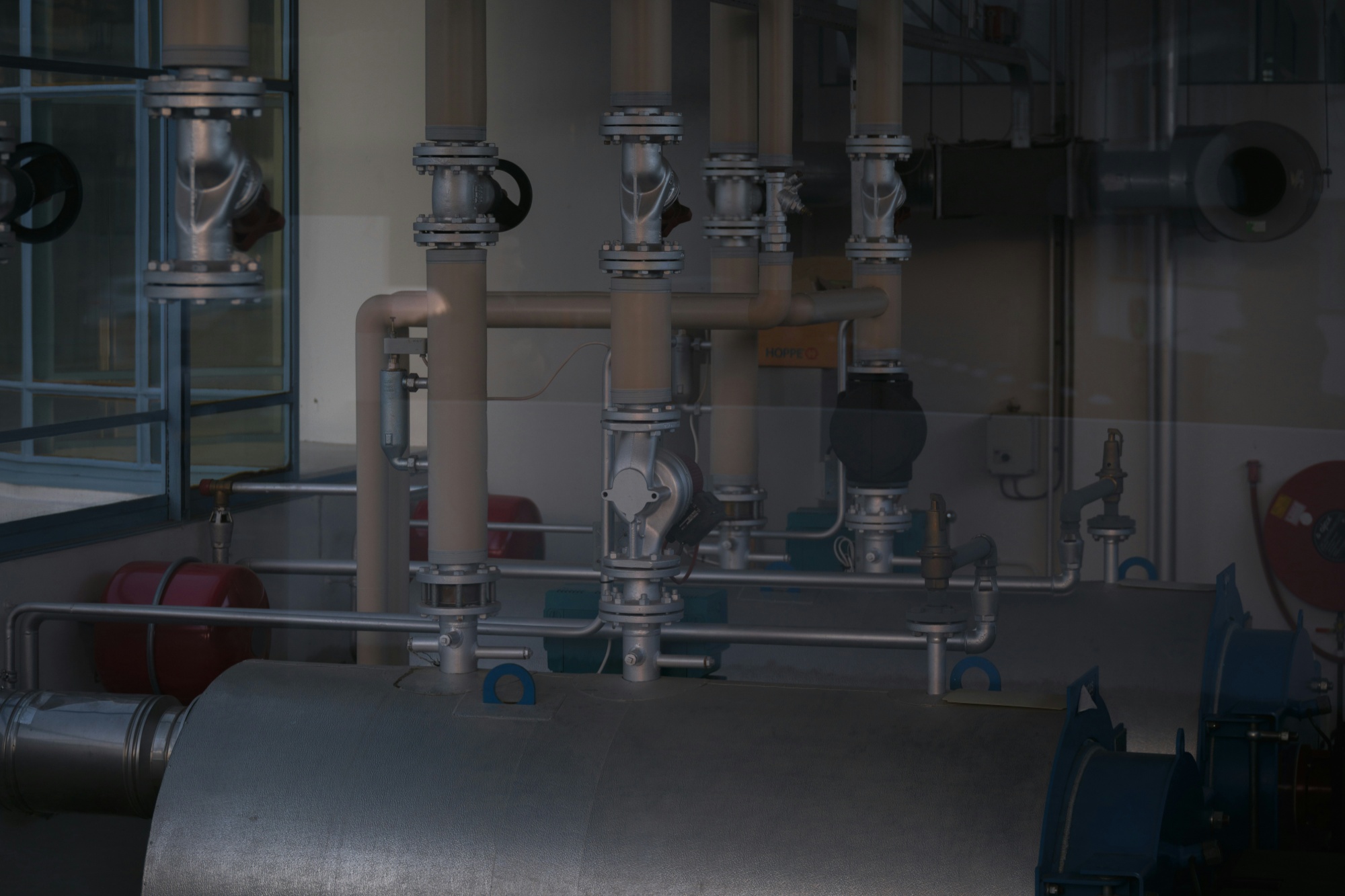
Integrated Components and Packaged Construction
Our systems combine the booster and supporting high-pressure components into a practical package.
The listed features include compact construction, integrated pressure relief, and mobile cabinet-style arrangements. These support handling, connection, operation, and maintenance access.
Packaged pipework can use specified compression or threaded connections, reducing the need for welding within the package. Connection type, material, and pressure rating must match the hydrogen duty.
For purchasing review, the quotation should identify the supplied booster, valves, instruments, tubing, fittings, hoses, and controls. It should also define the package dimensions and utility requirements.
Hydrogen Pipeline, Cylinder, and Valve Testing
Our related equipment range supports hydrogen system development, production inspection, and maintenance.
| Equipment or component | Supply scope |
| Hydrogen pipeline systems | High-pressure piping integration and associated testing equipment |
| Gas tightness test systems | Pressure generation and testing arrangements for specified leak checks |
| Portable hydrogen boosters | Mobile boosting packages for agreed supply and testing duties |
| Cylinder and cylinder valve test systems | Equipment for defined gas tightness, strength, fatigue, or burst tests |
| High-pressure valves | Hydrogen-compatible valves selected for the required duty |
| Rigid tubing | High-pressure hydrogen lines and connections |
| Flexible hoses | Suitable hydrogen transfer and connection assemblies |
Each test method requires its own equipment specification. Strength, fatigue, burst, and gas tightness testing should not be treated as interchangeable functions.
Provide the applicable procedure, test medium, pressure cycle, and acceptance criteria so the proposed arrangement can be reviewed.
Integration for Hydrogen Refuelling Projects
A booster package forms part of the complete hydrogen supply and refuelling arrangement.
For station projects, define the relationship between the hydrogen source, compression equipment, storage, and downstream systems. Also, identify the required control interfaces and operating schedule.
Changes in supply pressure can affect booster flow and filling time. Therefore, equipment selection should cover the expected inlet pressure range rather than a single favourable operating point.
For upgrades, provide the existing system layout and performance requirements. This helps identify interfaces and equipment that need modification.
Installation, Training, and After-Sales Support
Our project services extend beyond equipment supply.
Installation and commissioning support help connect the package with the agreed site utilities and system interfaces. Training addresses the supplied equipment and its approved operating requirements.
Spare parts planning and after-sales support also form part of the service scope. Buyers should confirm the included documentation, recommended spare parts, maintenance access, and support arrangements during quotation review.
For repeat projects, retain the approved component list and system drawings. These records support consistent purchasing and future modifications.
How to Specify a Hydrogen Gas Booster System
Include the following information with your inquiry:
-
Application and required hydrogen quality.
-
Minimum and maximum inlet pressure.
-
Required outlet pressure and usable flow.
-
Gas volume, filling time, and operating schedule.
-
Available compressed air or hydraulic power.
-
Cooling requirements and site conditions.
-
Connections, piping layout, and installation space.
-
Control interfaces and monitoring requirements.
-
Required tests, documentation, training, and spare parts.
For station integration or upgrades, also provide the existing layout and project interfaces.
Request a Hydrogen Booster System Quotation
Send your hydrogen supply conditions, delivery requirements, and installation details to discuss a suitable configuration.
Whether you need a portable booster, fixed compression package, high-pressure piping, or testing equipment, the quotation should clearly define the supplied scope. Use the hydrogen booster specification checklist to prepare your inquiry.


