Oil and gas wellhead safety control systems
News Details
The coordinated control of wellhead valves and associated equipment is required for oil and gas production. A system that matches the valve arrangement, actuator requirements, site signals, and approved shutdown philosophy is needed by buyers.
Integrated wellhead safety control systems for surface and downhole safety valve applications are supplied by us. Automatic control, remote operation, pressure-related protection, and fire-signal integration are supported by our offering.
The system functions can be explored, project specifications can be reviewed, or a technical inquiry for your installation can be prepared.
Integrated Control for Surface and Downhole Valves
The control equipment is connected with the valves and actuators that manage the well by a wellhead safety control system.
Control-panel integration is combined with the selection of suitable interfaces and associated wellhead components in our approach. A coordinated arrangement for the specified production conditions is the objective.
The valve list and actuator requirements are the starting point for each project. The required control circuits, operating pressures, connections, and available functions are determined by these items.
A clear scope is essential for purchasing teams. Which valves, actuators, panel components, instruments, and field interfaces are included should be identified by the quotation.
Automatic Control and Remote Operation
Automatic safety control and remote operation according to the agreed project logic are supported by the system.
Pressure-related signals and fire-related inputs can form part of the control arrangement. These functions must be defined against the operator’s approved requirements.
| Function | Project purpose |
| Surface safety valve control | The specified surface valve actuators are operated |
| Downhole safety valve control | Interface with the specified downhole control line |
| Remote operation | Control from an agreed operating location is supported |
| Pressure-related protection | Defined pressure conditions are responded to |
| Fire-signal integration | The specified fire-related input is connected to the control logic |
| Coordinated valve control | The approved operating and shutdown requirements are applied |
The required responses, signal interfaces, and acceptance checks must be defined before equipment approval. A shared basis for configuration and testing is given to the manufacturer and buyer by this process.
Wellhead System Specification and Service Conditions
The following project ranges are identified by the supplied product information.
| Requirement | Listed scope |
| Wellhead equipment working pressure | 2,000–20,000 psi, depending on the selected components |
| Equipment service temperature | −46°C to +121°C, subject to configuration |
| Process media | Oil, natural gas, mud, and specified H₂S- or CO₂-containing fluids |
| Product specification levels | PSL 1–4 for applicable specified equipment |
| Performance requirement levels | PR1–PR2 where applicable |
| Control capability | Automatic and remote functions according to the agreed design |
Separate requirements are wellhead process pressure and actuator control pressure. The control circuit must be selected for the actuator rather than assumed to match the well’s process pressure.
Similarly, process temperature and control-panel ambient temperature must be stated separately.
The relevant products should be assigned PSL and PR requirements. Supporting documentation for each applicable component should be requested, and the specification edition used for the project should be confirmed.
Sealing and Materials for Demanding Service
Different sealing arrangements, including all-metal seals where specified, are included in the related wellhead equipment offering.
Pressure, temperature, fluid composition, and the expected operating environment must be reflected by material and seal selection. This is especially important where the process contains H₂S, CO₂, or corrosive constituents.
The complete service description should be provided during the inquiry. Every material requirement is not defined by a general reference to “sour service.”
The wetted components, sealing materials, pressure boundaries, and required inspection records should be identified for technical review. Buyers can assess the proposed equipment against the actual duty with these details.
Interfaces for Integrated Wellhead Projects
More than valve actuation alone is often required by wellhead projects.
Suspension and sealing functions are included in the related multifunction tubing hanger offering, with interfaces that may accommodate power cables, data cables, chemical injection, and downhole safety valve control lines.
Interfaces within the broader wellhead assembly are these. They should be defined alongside the control panel’s own connections.
| Interface | Information needed for selection |
| Power cable feed-through | Cable arrangement and required sealing conditions |
| Data cable feed-through | Connection details and signal requirements |
| Chemical injection connection | Medium, pressure, and connection specification |
| Downhole safety valve control line | Actuator requirements and line arrangement |
| Surface valve actuator connections | Control pressure, fluid, and connection details |
Equipment supply is aligned with installation requirements by reviewing these interfaces early.
Applications Across Production and Pressure-Control Equipment
Control requirements associated with production trees, wellhead assemblies, choke manifolds, pressure piping, and valves are addressed by our offering.
The required valve control and monitoring interfaces should be defined for oil and gas transmission projects. The dedicated control scope and system boundaries should be confirmed for wellhead packages associated with blowout prevention equipment.
A suitable design review is required for each application. A control panel intended for one valve arrangement may need changes for a different number of actuators, control pressure, or operating environment.
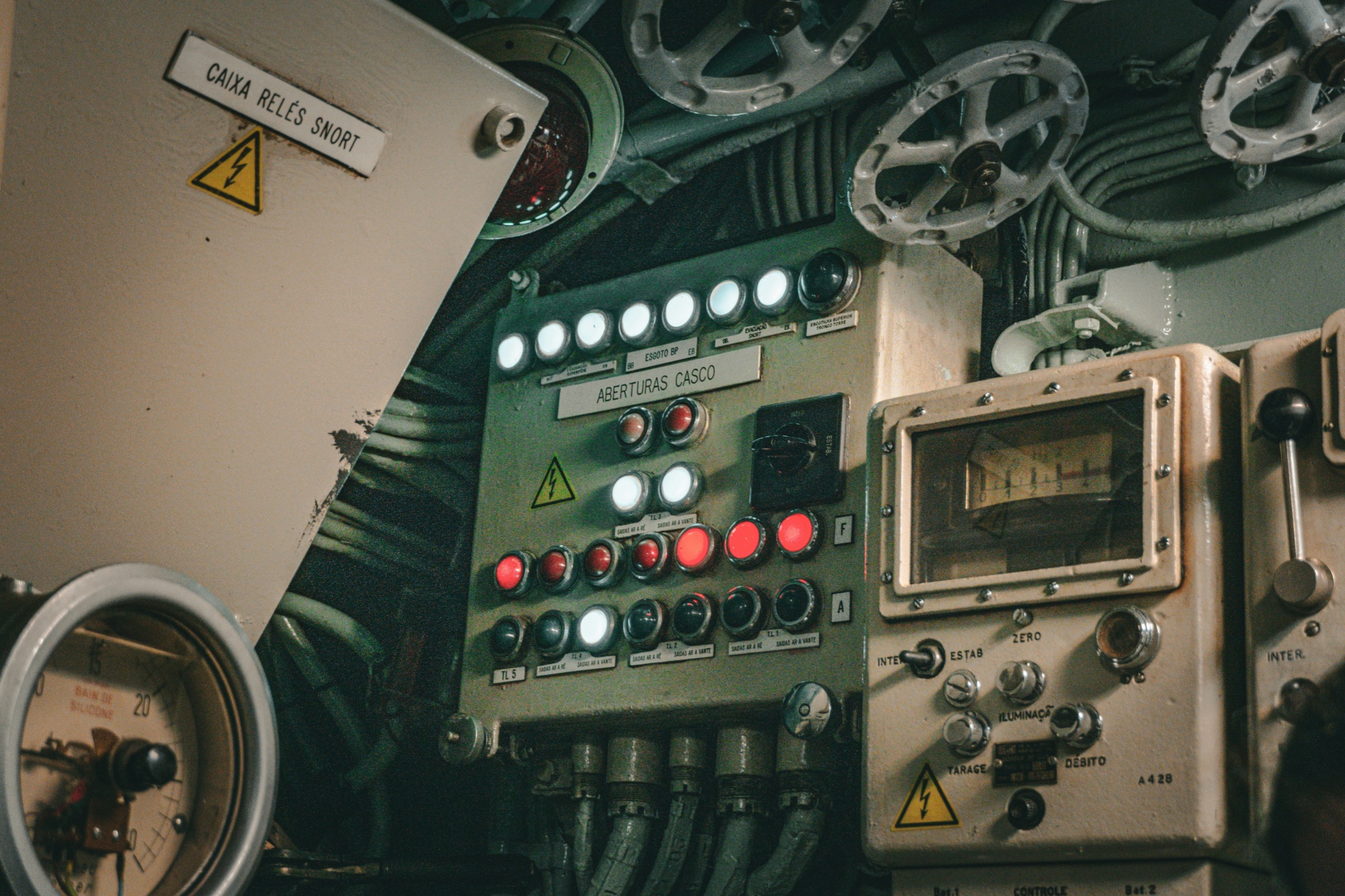
Therefore, the complete equipment arrangement should be provided rather than selecting from a panel photograph alone.
Documentation and Acceptance Requirements
Clear documentation helps engineering, purchasing, installation, and maintenance teams work from the same approved design.
The required drawings, component list, instrument details, control logic, and operating documentation should be specified in the purchase requirements.
Also, the inspection and acceptance plan should be agreed. The supplied functions against the approved project requirements, including relevant remote inputs and valve interfaces, should be demonstrated by this plan.
Where component qualification records are required, they should be identified individually. The supplied scope and applicable ratings should be made clear by the final documentation package.
How to Specify a Wellhead Safety Control System
The following information should be included with your inquiry:
-
Wellhead and production tree arrangement.
-
Valve list, actuator types, and required control pressures.
-
Process pressure, temperature, and fluid composition.
-
Site ambient conditions and installation requirements.
-
Local and remote operating requirements.
-
Pressure, fire, and other required signal interfaces.
-
Approved control and shutdown philosophy.
-
Tubing, cable, chemical injection, and control-line interfaces.
-
Applicable component specifications and documentation.
-
Available utilities, inspection requirements, and delivery needs.
Existing system drawings are also useful for replacement or integration projects.
Request a Wellhead Control System Quotation
Your valve arrangement, actuator data, service conditions, and control requirements should be sent to discuss a suitable configuration.
The panel scope, associated components, interfaces, operating limits, and included documentation should be clearly identified by the quotation. A complete inquiry should be prepared using the wellhead control system checklist.


