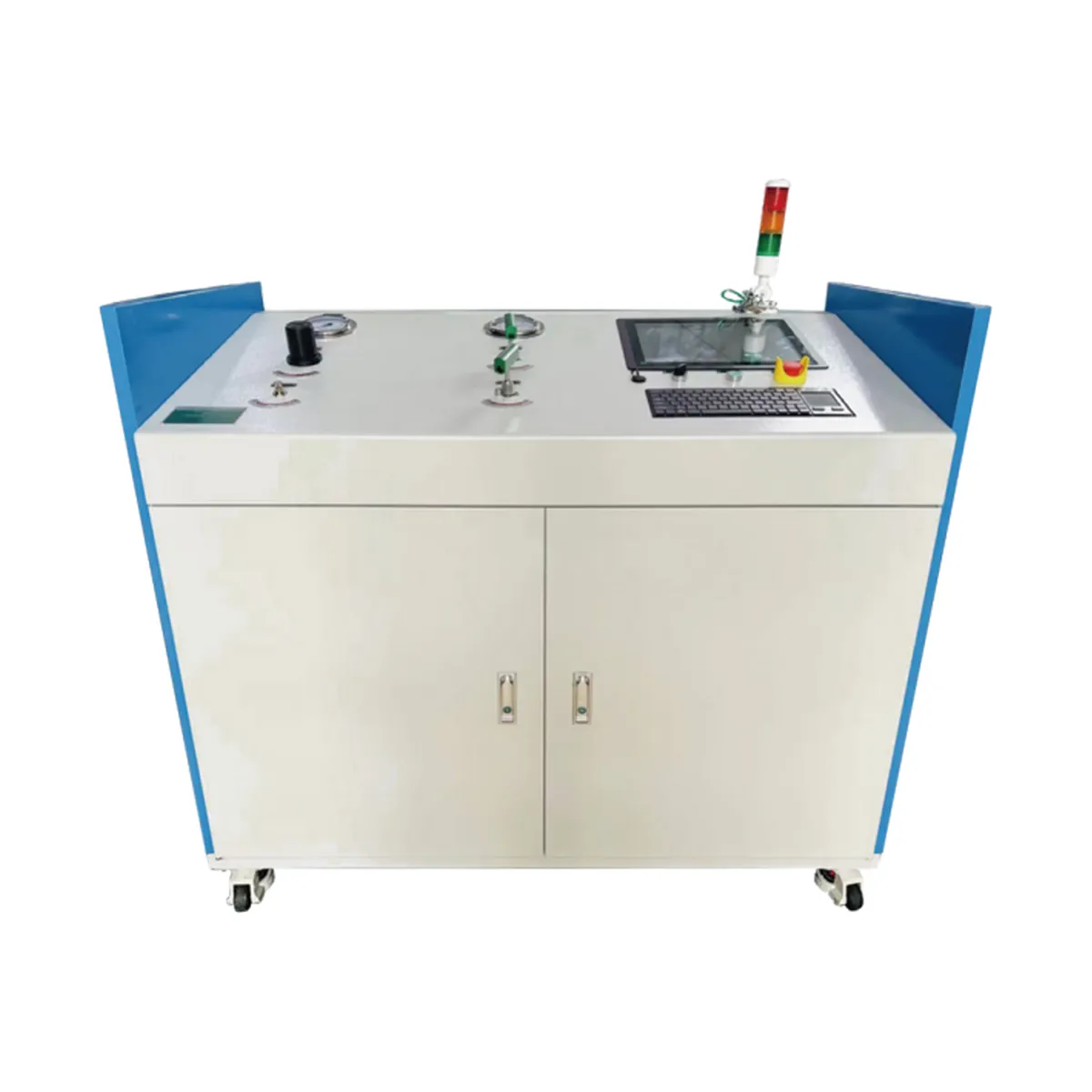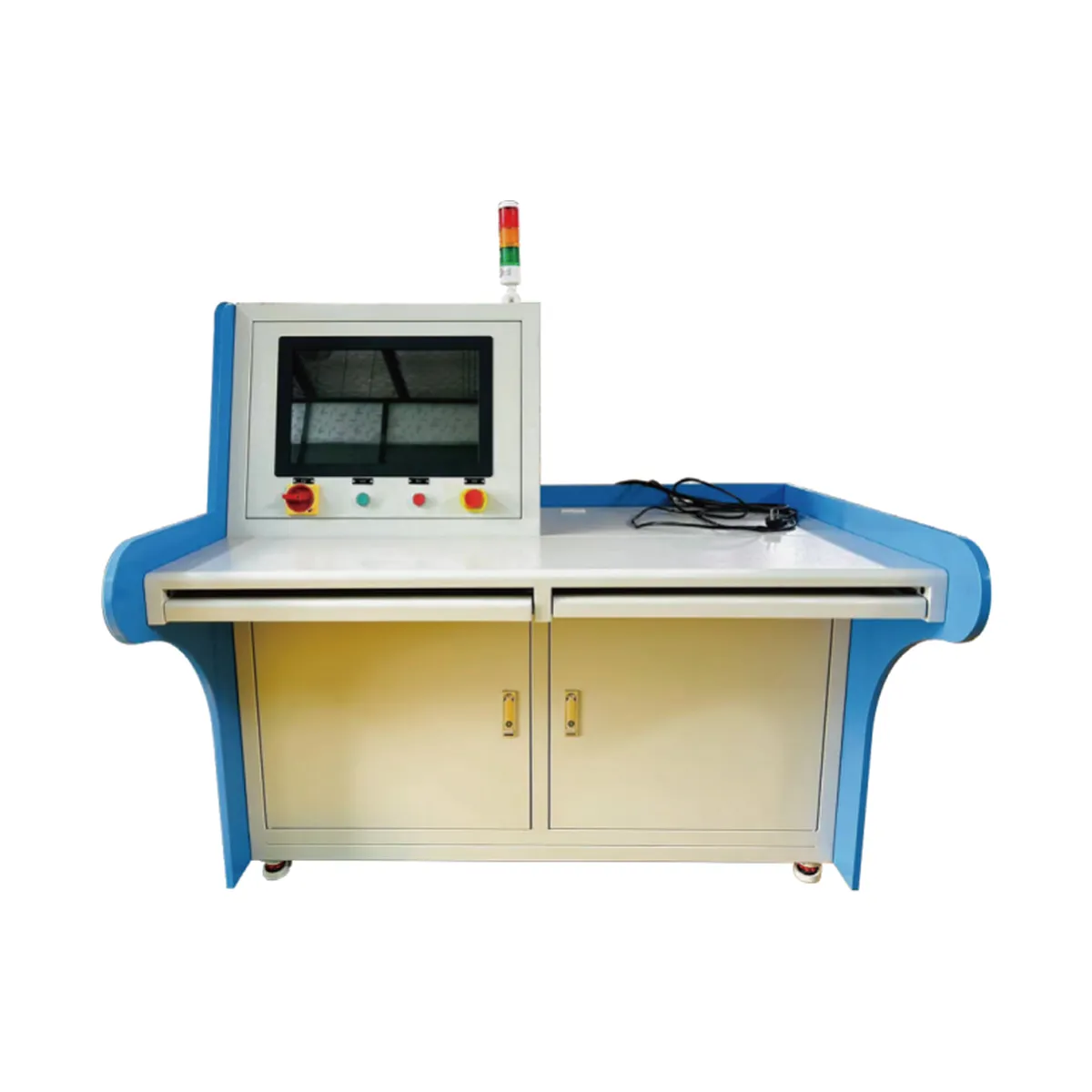
40 MPa Hydrostatic Endurance Test Machine
Product Information
Test Medium:
water
pump drive:
compressed air
rated operating pressure of the machine:
40MPa
Required air pressure:
0.7–0.8 megapascals
Required compressed air flow:
≥3.5 Nm³/min
Booster pump maximum output pressure:
15,000 psi


Our 40 MPa Hydrostatic Endurance Test Machine provides repeated water-pressure testing for natural gas cylinder valves, pressure relief devices (PRDs), and small-volume gas cylinders.
The equipment combines electrical and pneumatic controls with a compressed-air-driven booster pump. Its listed configuration includes one high-pressure outlet, a 40 L stainless steel water tank, and a cycling frequency of up to 10 cycles per minute.
For component manufacturers and testing laboratories, these specifications provide a clear starting point for planning a hydraulic endurance test installation.
Evaluate Components Under Repeated Water Pressure
Endurance testing examines how a specimen performs through repeated loading. This machine uses water as the test medium and is intended for three main duties:
-
Natural gas cylinder valve endurance testing: Review valve performance under the specified hydraulic pressure cycle.
-
PRD durability testing: Assess the component according to an agreed test method and acceptance criteria.
-
Small-volume cylinder pressure cycling: Apply repeated water-pressure cycles within the machine’s rated operating conditions.
Before selecting the equipment, provide the specimen type, internal volume, connection details, and required pressure profile. Also, identify the intended cycle count and any hold-time requirements.
Explore our hydrostatic test equipment for related testing options.
Machine Specifications
| Parameter | Listed Specification |
| Test medium | Water |
| Pump drive | Compressed air |
| Rated machine working pressure | 40 MPa |
| Required compressed-air pressure | 0.7–0.8 MPa |
| Required compressed-air flow | ≥3.5 Nm³/min |
| High-pressure output | One outlet |
| Pressure measurement accuracy | ±0.5% F.S. |
| Booster pump quantity | One |
| Booster pump maximum output pressure | 15,000 psi |
| Water tank capacity | 40 L |
| Water tank material | SS304 stainless steel |
| Cycling frequency | ≤10 cycles/min |
F.S. means full scale. The 15,000 psi value describes the booster pump’s maximum output pressure; the complete machine’s rated working pressure remains 40 MPa.
Check the Available Air Supply
The booster pump requires compressed air at 0.7–0.8 MPa, with a listed flow requirement of at least 3.5 Nm³/min.
Therefore, review both pressure and available flow at the proposed installation point. Include other equipment sharing the same air supply when assessing facility capacity.
For quotation, state the available air conditions and the planned operating schedule. This allows the technical review to address the test duty alongside the site utilities.
The compressed-air flow requirement is separate from the hydraulic delivery to the specimen. Confirm the required water-side performance for the intended pressure cycle.
Plan Around One High-Pressure Outlet
The listed machine has one high-pressure output connection. Its suitability for a particular specimen depends on the mating connection, fixture arrangement, and test volume.
For a new installation, provide the specimen drawing and required adapters. For replacement equipment, include the existing fixture and connection details.
The 40 L tank defines the water reservoir capacity. It does not establish the maximum permissible specimen volume. Confirm specimen compatibility during the application review.
Related high-pressure valves can also be reviewed when defining the connected test circuit.
Match Cycling Performance to the Test Profile
The published cycling frequency is up to 10 cycles per minute. Confirm the achievable rate for the required specimen volume and pressure profile before finalizing the purchase specification.
A useful test description includes the target pressure, cycle count, pressure-hold requirements, and expected daily operating hours. In addition, identify how results will be assessed.
The machine’s electrical and pneumatic controls support the water-pressure cycling function. If your project requires particular data records, report formats, or external interfaces, state those requirements during quotation.
Establish the Inspection and Acceptance Scope
For equipment procurement, agree the test method and acceptance criteria before placing the order. These should reflect the specimen and the applicable project requirements.
Also, define the required pressure measurement range and calibration documentation. The listed ±0.5% F.S. accuracy should be reviewed against the measurements needed for the test.
For OEM or laboratory projects, identify any required drawings, manuals, inspection records, or demonstrations of the agreed test cycle. Record these items in the supply specification so engineering and purchasing teams use the same reference.
Request a 40 MPa Test Machine Proposal
Send our team the specimen details, required test pressure, pressure-cycle profile, target cycle count, and available compressed-air supply.
Please also include:
-
Specimen volume and connection drawings.
-
Required cycling rate and operating hours.
-
Fixture and adapter requirements.
-
Measurement and documentation needs.
-
Installation location and available utilities.
-
Quantity and required delivery date.