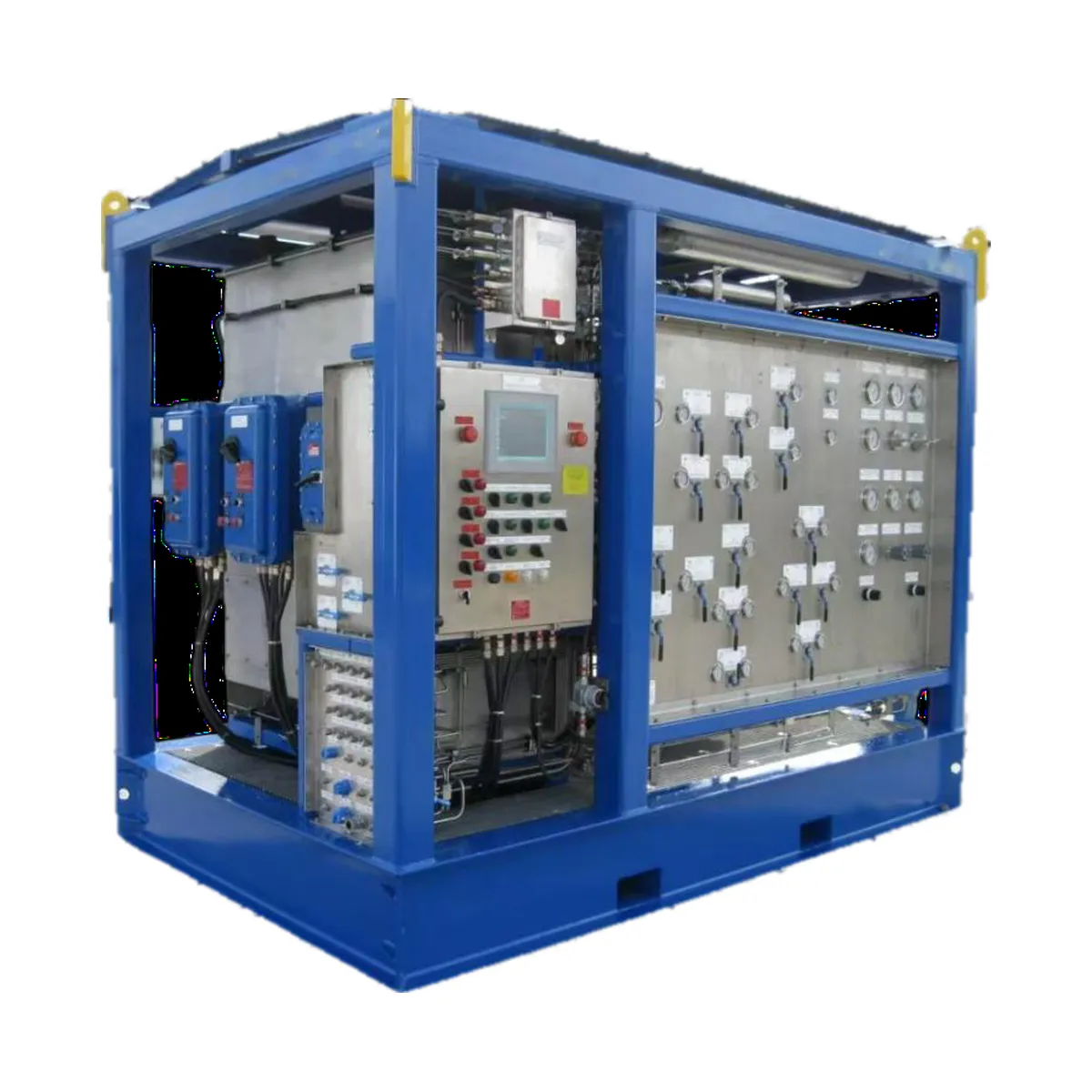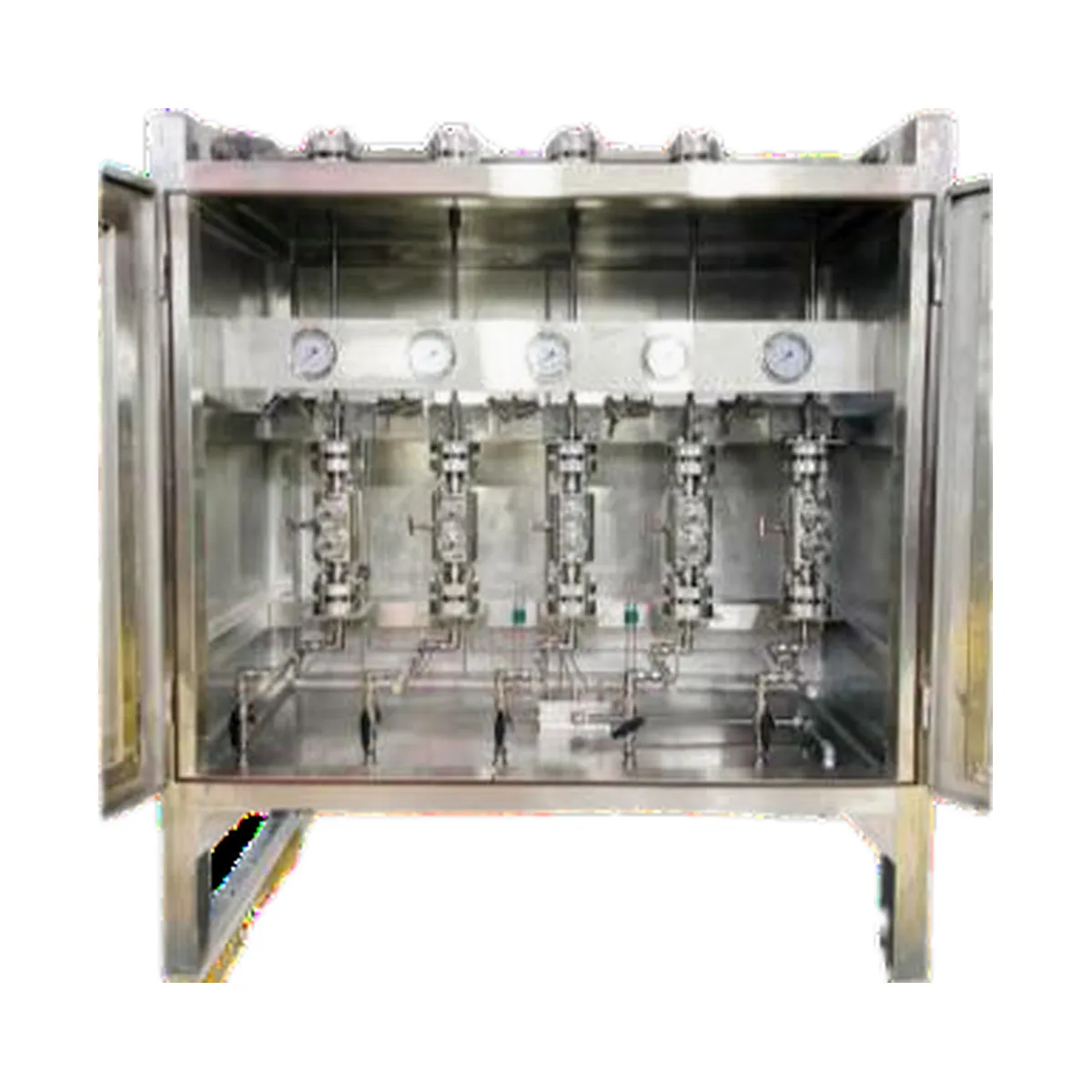
Topside Umbilical Termination Assembly (TUTA)
Product Information
Maximum working pressure:
1034 bar / 15000 psi
Enclosure protection:
IP65; Customizable
hydraulic oil cleanliness code:
B
Circuit Quantities:
Five; optional additional circuits
Certification:
DNV optional; ABS or LR options subject to project agreement


)


Connect subsea umbilicals with platform systems through a Topside Umbilical Termination Assembly (TUTA). This integrated package provides the topside interface for hydraulic lines, chemical injection lines, electrical power, and communication connections.
The listed configuration offers five circuits, a maximum working pressure of 1,034 bar (15,000 psi), and IP65 enclosure protection. Additional circuits, alternative pressure classes, and project-specific arrangements are available.
For FPSO operators, offshore contractors, and equipment integrators, the TUTA brings these interfaces into a defined assembly for installation, testing, and maintenance.
Bring Platform and Umbilical Interfaces Together
A subsea umbilical carries several services between topside equipment and underwater systems. The TUTA provides an organized termination point for connecting those services to the platform.
Its scope can include hydraulic distribution, chemical injection connections, and interfaces for subsea control equipment power and communication. Consequently, circuit requirements should be defined alongside the platform equipment and umbilical termination details.
Typical project applications include:
-
FPSO and fixed offshore oil and gas platforms.
-
Subsea production control systems.
-
Marine engineering installations.
-
Offshore wind projects requiring compatible umbilical interfaces.
For related platform equipment, explore our offshore hydraulic control systems.
Technical Configuration
| Parameter | Listed Specification |
| Product type | Topside Umbilical Termination Assembly |
| Maximum working pressure | 1,034 bar / 15,000 psi |
| Design life | 30 years |
| Enclosure protection | IP65; customization available |
| Hydraulic cleanliness specification | SAE AS4059-6B-F |
| Circuit quantity | Five; additional circuits optional |
| Certification | DNV optional; ABS or LR options subject to project agreement |
| Installation arrangement | Standalone skid or integrated package |
| Customization | Circuit layout, pressure class, and project interfaces |
The design life is a design criterion, rather than a maintenance-free service guarantee. Final circuit ratings and operating limits should be recorded in the approved project specification.
Circuit Isolation and Controlled Depressurization
The assembly incorporates safety isolation and controlled double block and bleed valve arrangements. These features support the isolation and depressurization of selected sections during testing and maintenance.
However, each circuit needs a defined function and operating sequence. Identify the service fluid, working pressure, connection points, and isolation requirements during engineering.
A clear circuit schedule also helps maintenance teams locate the relevant valves and interfaces. In addition, access requirements should be considered when arranging components within the enclosure.
Component Selection for the Pressure System
The supplied configuration identifies SPIR STAR tubing and valves for the pressure-control pipework, together with IHT high-pressure pumps where pressure boosting forms part of the package.
Component selection should follow the required pressure class, fluid compatibility, and installation conditions. Accordingly, the final bill of materials should define which components are included in each project.
For connected equipment options, review our high-pressure valves and pressure boosting systems.
Configure the Package Around Offshore Conditions
The TUTA supports standalone skid construction, integrated installation, and customized circuit arrangements. This allows the equipment layout to be developed around available space and platform interfaces.
During the design review, define:
-
Hydraulic and chemical injection circuit quantities.
-
Required electrical and communication interfaces.
-
Connection types, locations, and access clearances.
-
Environmental exposure and corrosion protection requirements.
-
Enclosure protection and installation constraints.
-
Handling, lifting, and maintenance arrangements.
The listed IP65 protection level can be reviewed against the installation environment. Likewise, pressure classes and circuit quantities should be confirmed for the actual service.
Agree Standards and Certification at Project Start
The product information identifies reference standards covering piping, tubing, hydraulic cleanliness, subsea controls, enclosure protection, and offshore equipment.
References include ASME B31.3, ASTM A269, SAE AS4059, API 17F, ISO 13628-6, IEC 60529, and DNV-ST-E273. The applicable standards, editions, and acceptance criteria should be agreed for the project before detailed engineering.
Certification is an optional scope item. Where DNV, ABS, or LR approval is required, identify the certification boundary, documentation, inspection activities, and approval responsibilities during quotation.
This establishes a clear basis for procurement without treating every listed reference as an existing product certification.
Information Required for a TUTA Proposal
Send our team the platform type, installation location, circuit schedule, and required operating pressures. Also, provide the working fluids, electrical requirements, communication interfaces, and umbilical connection details.
Where available, include the project specification, interface drawings, piping diagram, and required certification scope. State the quantity, delivery destination, and target delivery date as well.
For testing and handover, identify the required inspection records, cleanliness verification, functional checks, and documentation package.
Request a TUTA technical proposal and quotation to discuss the circuit configuration, component scope, project documentation, pricing, and delivery schedule.